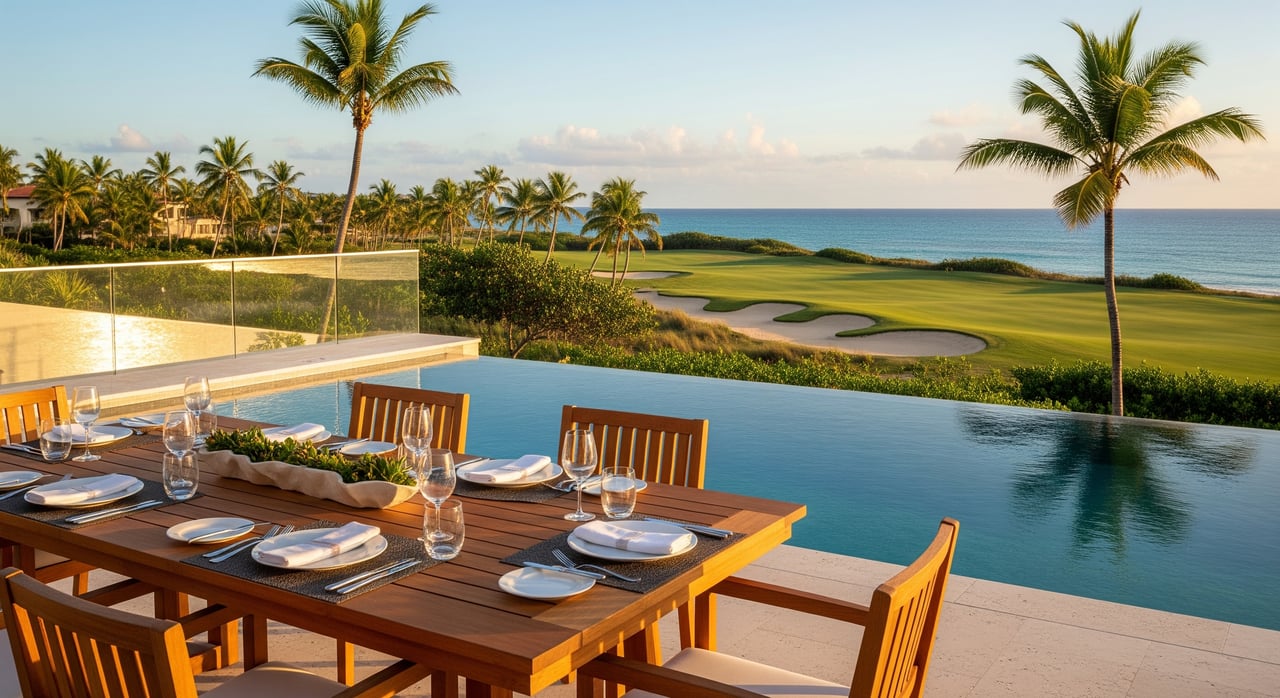
Dreaming of a place where you can play championship golf in the morning, stroll a sandy beach in the afternoon, and savor fresh seafood under the stars at night? If Dorado is on your shortlist, you’re already looking in the right direction for a relaxed yet refined coastal lifestyle. The key is understanding how Dorado’s golf, beaches, dining, wellness options, and community rhythms shape day‑to‑day living and your best property fit. This guide breaks it down clearly so you can match your lifestyle to the right home and make confident decisions. Let’s dive in.
Golf and resort living
Dorado is known for resort‑level golf and amenities that attract serious players and social golfers alike. Many of the best experiences sit within resort communities, and membership rules determine who can access what. If golf is a must for you or your guests, plan to verify access before you fall in love with a property.
Membership and access
Membership types commonly vary by residency status and property location. Some properties include a right to join or offer preferred enrollment terms for owners. If you’re a second‑home buyer or investor, ask how your rental guests can use the course and related facilities. Access policies can significantly influence rental appeal and your own enjoyment.
Practice, programs and events
Beyond tee times, consider the full golf ecosystem. Look for practice ranges, instruction programs, junior offerings, and friendly tournaments that make it easy to plug into the community. Clubhouse dining and pro shops also elevate the experience and add convenience. If you split time on island, consistent programming helps you stay involved throughout the year.
Property fit for golfers
- Resort condo for turnkey access and low maintenance.
- Gated neighborhood home if you want space while staying close to a course.
- Estate or beachfront property if you value privacy first and golf second.
Before you commit, confirm whether a specific sale includes a membership path, typical tee‑time availability for owners, and guest rules that apply to your family and renters.
Beaches and coastal life
Beaches are central to daily life in Dorado. In Puerto Rico, the maritime public zone is generally public, but practical use can depend on where access points, parking, and paths are located. If daily beach time is a priority, focus on how you will actually get to the sand from your front door.
Public access realities
Resort and gated developments may sit along the shoreline. That can create world‑class amenities while also concentrating the clearest access points. Ask which beaches are most sheltered, where public entries are, and whether there is nearby parking. If a listing is marketed as “beachfront,” verify legal access, day‑use rules, and the exact route from the property to the water.
Water activities and safety
You can typically find options for swimming, snorkeling, paddleboarding, and occasional surfing depending on seasonal conditions. Always consider currents, wave exposure, and lifeguard presence. Sea and weather patterns change during the year, so ask locals or your agent how winter and summer differ. Families may prefer gentler spots, while wave‑seekers will watch seasonal swell trends.
Property fit for beachgoers
- Resort property if you want staffed facilities and on‑site gear services.
- Neighborhood home near a public access point for daily walks and quick dips.
- Ocean‑view condo with a short drive to multiple beaches to follow the calmest water.
For investors, proximity to a pleasant, easy‑to‑reach beach is a major driver of guest reviews and repeat stays.
Dining and food culture
Dorado blends polished resort dining with local favorites, giving you a practical mix for both special nights out and casual weekly routines. Expect seafood, Puerto Rican criollo dishes, and global influences. Weekend energy rises in high season, and reservations can matter more when visitors are in town.
Resort vs local dining
Resort restaurants deliver refined experiences that feel celebratory and convenient. Neighborhood eateries provide value, variety, and the authentic flavors you’ll crave day to day. If you plan to host friends or rent short‑term, highlight both options in your property guide. In high season, book ahead for prime weekend slots.
Groceries and markets
Full‑time living means reliable access to supermarkets, specialty items, and fresh produce. Ask about nearby grocers, any farmers’ markets, and delivery services to your building or community. If you work remotely, time‑saving options like curbside pickup can be a quiet quality‑of‑life upgrade.
What this means for buyers
- Resort condo: Fine dining steps from home, often at premium pricing.
- Neighborhood home: Easier access to local spots and everyday conveniences.
- Investment focus: Market your home’s dining walkability or quick drive times to improve the guest experience.
Wellness, fitness and outdoors
Dorado’s wellness lifestyle goes beyond the beach. You’ll find resort spas, fitness centers, and independent studios, plus outdoor options that invite you to move every day.
Spa and studio options
Resort spas often pair treatments with classes, pools, and recovery therapies. Independent studios can offer yoga, Pilates, strength training, or CrossFit with drop‑in passes and membership plans. Choose a property with easy access to the routines you will actually keep.
Parks and outdoor routines
Look for neighborhood walking routes, bike‑friendly streets, tennis or pickleball courts, and calm water for kayaking or paddleboarding. If you love birdwatching or quiet nature time, ask about nearby green spaces and coastal pathways. Outdoor choices help you sustain healthy habits year‑round.
Health services nearby
Peace of mind matters. Map out urgent care, hospitals, and specialty clinics that you would rely on. If you are active in golf or watersports, convenient physical therapy and rehabilitation options are useful to have within a short drive.
Community rhythm and seasons
Every coastal market has a seasonal rhythm. Dorado typically sees its busiest visitor months in winter, while hurricane season runs from June through November. Your ideal property depends on how much activity you want around you and how you plan to use the home.
High season vs quieter months
Winter high season brings fuller restaurants, more events, and a livelier beach scene. Spring and fall often feel calmer, which many full‑time residents love. Decide whether you prefer bustle or serenity, and choose a location that matches your pace.
Events and everyday life
Municipal festivals, holiday celebrations, arts and music pop‑ups, and local markets add color throughout the year. Resort areas may feel active year‑round, while some neighborhoods quiet down outside peak months. If community involvement matters to you, ask about regular events you can count on.
Commuting and connectivity
Proximity to San Juan, major services, and the international airport is a practical advantage for many buyers. If you commute periodically or host frequent visitors, factor drive times during typical traffic. For remote work, confirm reliable high‑speed internet and strong cell coverage before you buy.
Practical due diligence for buyers
Beautiful lifestyle is only half the story. Sound due diligence protects your investment and makes living here simpler.
Taxes, rentals and permitting
Short‑term rentals may require municipal registration, occupancy tax collection, and compliance with local zoning. Property taxes and incentives operate under Puerto Rico’s framework, which differs from many U.S. states. For renovations or additions, ask the municipal permitting office about building codes and shoreline setback rules. Clear answers now prevent surprises later.
Insurance and hazard risk
Puerto Rico sits in the Atlantic hurricane zone, with wind and storm surge exposure shaping insurance options and construction standards. Review FEMA flood maps for your specific property and ask about drainage and any local mitigation. Consider homeowners insurance with wind coverage, flood insurance, and earthquake coverage, and review windstorm deductibles so you know your true risk budget.
Utilities and infrastructure
Confirm whether your property uses municipal water and sewer or a private system. Electricity reliability is an important island‑living consideration, and many owners value backup generators or battery systems. Verify internet providers and speeds for video calls and streaming, and clarify waste collection and HOA responsibilities.
Schools and emergency services
If you are relocating with children, inventory public and private school options and test the commute during school hours. Also locate emergency services and the nearest hospital or urgent care. Taking a weekend to practice these routines gives you realistic expectations before you close.
Dorado vs other coastal markets
You may be weighing Dorado against San Juan’s urban beachfront, Palmas del Mar in the east, or west‑coast surf towns. Use these factors to compare.
- Amenities: Dorado concentrates resort‑level offerings, while San Juan offers urban culture, museums, and broader nightlife.
- Beach character: Dorado’s north‑coast mix includes sandy stretches and coves. Rincón is surf‑forward. Condado and Isla Verde offer lively urban beaches.
- Golf: Dorado is a standout for championship golf. Other towns may have fewer courses but different lifestyle tradeoffs.
- Access: Dorado offers a middle ground between resort seclusion and proximity to major services and the airport.
- Nightlife and dining variety: San Juan leads for late‑night energy. Dorado blends resort dining with strong local options.
- Property mix: Expect resort condos, gated neighborhoods, and beachfront estates in Dorado. Inventory and pricing vary by season and market conditions.
If you list your top three priorities, the right choice often becomes clear. Dorado shines when you want a refined resort lifestyle balanced with easy access to the metro area.
Choose the right property type
Matching lifestyle to property type is where your decision becomes practical.
Resort condo
- Best for: Turnkey living, lock‑and‑leave ownership, strong amenity access.
- Consider: Membership requirements, guest use rules, HOA budgets, and short‑term rental policies.
Gated neighborhood home
- Best for: More space, privacy, and a residential feel with community amenities.
- Consider: Commute patterns, school routes, insurance costs, and proximity to beach access points.
Beachfront or ocean‑view
- Best for: Daily coastal immersion and premium rental appeal.
- Consider: Legal access to the maritime public zone, flood zone status, and windstorm and storm surge risk.
Investment‑oriented options
- Best for: Maximizing occupancy and yield with clear guest value drivers.
- Consider: Walkability to beaches and dining, clear house rules, and a reliable property management plan.
What to verify before you buy
- Membership terms for golf, spa, and resort amenities.
- Practical beach access and parking near your home.
- HOA rules, budgets, and rental policies.
- Flood zone, wind coverage needs, and insurance quotes.
- Internet speeds and cell coverage in the home.
- Proximity to groceries, clinics, and emergency services.
When you combine lifestyle fit with disciplined due diligence, Dorado becomes a rewarding place to live, vacation, and invest.
Ready to explore properties that match your lifestyle and goals in Dorado or compare Dorado with other top coastal communities? Reach out to Vin Forbes for tailored guidance, clear next steps, and a professional plan that makes your move simple.
FAQs
How does beach access really work in Dorado?
- In Puerto Rico the maritime public zone is generally public, but practical access depends on where paths, entries, and parking are located, so verify routes from any property you consider.
Do Dorado homes usually include golf membership?
- Membership is often separate and depends on the community; ask whether a sale includes a right to join, preferred terms for owners, and guest privileges for renters.
How seasonal is life in Dorado?
- Winter is typically the busiest visitor period, while hurricane season runs June through November, so expect livelier dining and events in winter and calmer months outside peak season.
What ongoing costs should I plan for in Dorado?
- Budget for HOA dues, utilities, internet, property taxes, insurance with wind coverage, and potential flood or earthquake policies, plus routine maintenance and reserves.
Is Dorado a good fit for short‑term rentals?
- It can be, but you should confirm municipal registration requirements, occupancy tax collection, community rental rules, and guest access to amenities that drive reviews and bookings.
How does Dorado compare to San Juan or Rincón?
- Dorado offers resort‑level amenities and proximity to the metro area, San Juan provides urban culture and nightlife, and Rincón appeals to surf‑focused buyers; your top priorities should guide the choice.