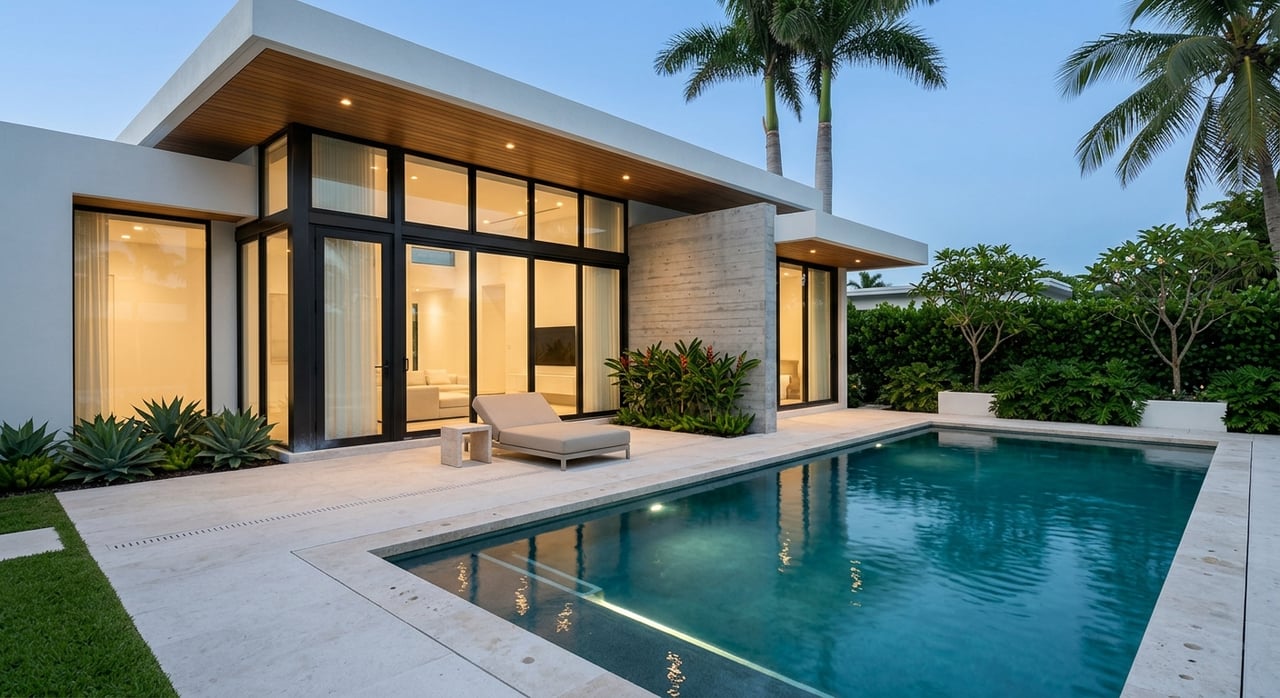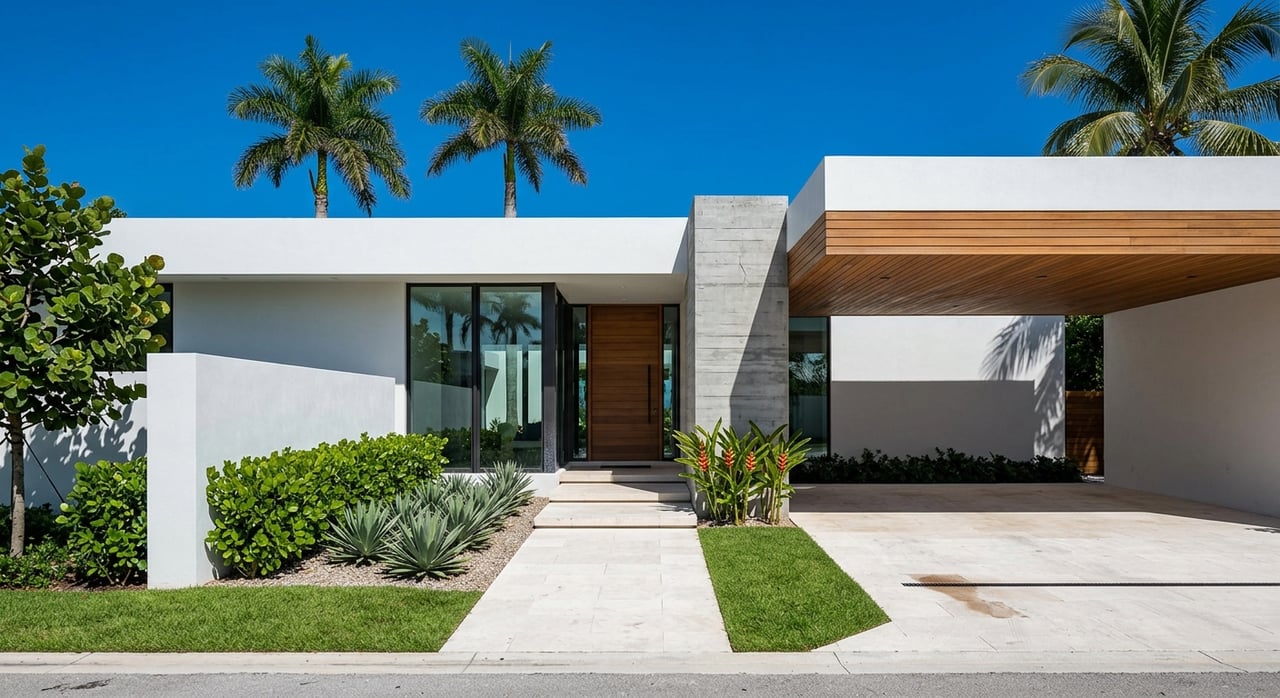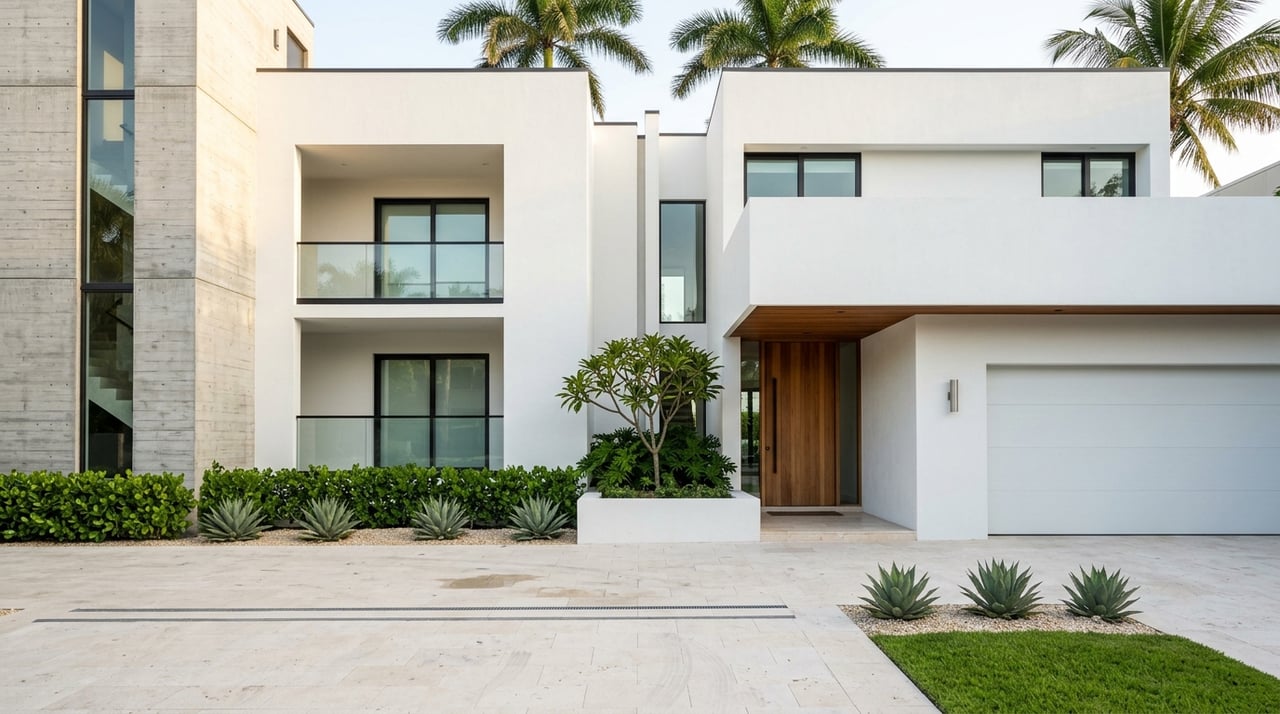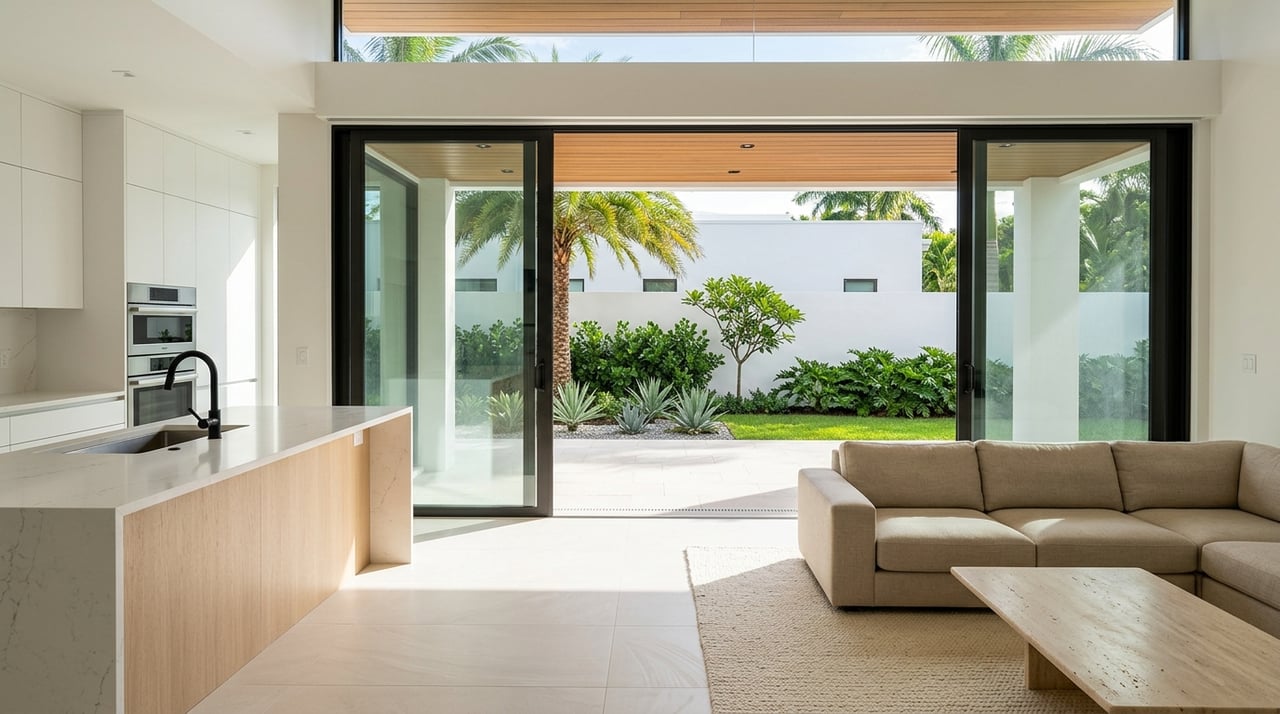
Thinking about buying a brand-new home in Palmas del Mar? New construction can be exciting, but in this community, it also comes with extra layers you will want to understand before you commit. If you know how the process works, what approvals matter, and what protections apply after closing, you can move forward with much more confidence. Let’s dive in.
What new construction means in Palmas del Mar
New construction in Palmas del Mar is not quite the same as buying in a typical neighborhood. Palmas del Mar is a managed resort community, and ownership comes with community rules, fees, and registration requirements that shape the buying experience from day one.
When you buy here, you automatically become a member of the Palmas Homeowners Association. According to PHA, the current annual maintenance fee is $1,300 per residential unit and $1,040 per lot, and those assessments are prorated at closing. After closing, owners must register the property, vehicles, and golf carts to receive residential credentials and AVI gate access.
That structure matters because your purchase is not just about the house itself. You are also buying into a community system with design oversight, operating standards, and access procedures that affect daily life and long-term ownership.
Why Palmas del Mar is different
Palmas del Mar is a large master-planned resort community in Humacao. Community planning documents describe it as a 2,900-acre development with amenities such as golf courses, a tennis center, beach club, hotels and casino restaurants, an equestrian center, a private school, a bank, and medical offices.
For buyers, that means new homes here are usually tied to a broader lifestyle setting rather than a stand-alone build on an isolated lot. It also means community review and design consistency play a much bigger role than they might in other parts of Puerto Rico.
Where new construction is happening
A current public example of new single-family construction in Palmas del Mar is Los Lagos Residences at Palmas del Mar. Its project site describes it as a recent residential venture and notes that it marks the beginning of new single-family construction activity in the community.
That said, buyers should remember that project details can change. The project itself directs buyers to rely on construction drawings and contract documents, which is a smart reminder for any new development you consider in Palmas del Mar.
How long new construction can take
If you are hoping for a quick move-in, it helps to set realistic expectations early. A general U.S. benchmark from Census guidance suggests about one month from permit issuance to construction start, plus another five to seven months from start to completion.
In Palmas del Mar, timelines can run longer. That is because projects may need not only permitting through Puerto Rico’s permitting system, coordinated by OGPe, but also review and approval through the Palmas Architectural Review Board, or ARB.
In practical terms, you should think in terms of months, not weeks. If you are buying pre-construction or early in the building cycle, build flexibility into your plans for delivery, move-in, and furnishing.
Why approvals matter before work begins
One of the biggest differences in Palmas del Mar is the level of design and site control. PHA-ARB guidelines state that all original construction and visible alterations require ARB review and approval.
The rules are clear that no clearing, grading, staking, site work, planting, or landscaping removal may begin without authorization. The guidelines also note that unapproved work may be stopped, fined, or ordered restored.
For you as a buyer, this matters because approvals affect timing, design options, and risk. It is wise to confirm that a project has gone through the proper review process and that the development team is working within approved plans.
What pre-construction buyers should verify
Pre-construction can offer early access, better lot selection, or the chance to choose from approved finish packages. But in Puerto Rico, buyers should pay close attention to the legal stage of the project before putting money down.
Puerto Rico construction law says a developer should not accept deposits or advance payments to reserve units in a project whose preliminary plans have not already been approved, except for a nominal market-test deposit of up to $25. The law also says the option, promise-of-sale, and purchase-contract forms must be submitted and approved before use.
That does not mean pre-construction is risky by default. It means you should verify the project’s approval status and make sure the contract framework being used matches the legal requirements for that specific development.
Are all luxury projects governed the same way?
No. This is an important point, especially in Palmas del Mar’s upper price ranges. Act 101-2025 created a special high-impact-residences regime for certain higher-priced projects above the FHA price ceiling.
Under that law, a developer may elect to opt out of much of the older DACO construction regime by notifying DACO shortly after filing for a construction permit, but the project still needs a special license and the law keeps a 10% bond requirement in place. For buyers, the key takeaway is simple: verify which legal framework applies to the specific project you are considering.
What you can customize
Many buyers imagine new construction as a blank canvas. In Palmas del Mar, customization is often more limited than that, especially for exterior elements.
PHA-ARB guidelines say the community follows a Mediterranean and Caribbean architectural character, and the board reviews all original construction and visible changes. Acceptable exterior materials include painted concrete, cement stucco, exposed concrete, natural stone, and exterior wall tile.
So while you may have choices within a builder’s approved selections, you should not assume unlimited custom design freedom. In many cases, the exterior look, materials, and site presentation must stay within community-approved standards.
Exterior finishes and design controls
Exterior controls are a major part of the Palmas buying experience. The rules are designed to maintain a consistent visual character across the community.
That usually means you will want to review the plans, finish schedules, and approved specifications carefully. If a feature is visible from outside the home, there is a good chance it falls under ARB oversight.
Landscaping and coastal lighting rules
Landscaping is also part of the approval process. Community standards say newly completed landscaping must follow approved specifications.
For homes near the coast, exterior lighting can be even more important. Community rules state that lighting in coastal zones must comply with the habitat conservation plan and endangered-species protections, and Palmas documents active sea-turtle conservation and lighting-related protections along the beach areas.
If you are considering a waterfront or near-water property, ask detailed questions about what is permitted. Coastal design restrictions can affect lighting plans, landscaping choices, and other exterior details.
What protects you after closing
Buyer protection in Puerto Rico new construction generally works on two levels. The first is the shorter-term construction defect framework, and the second is the longer-term structural protection under the Civil Code.
Puerto Rico’s construction-law statute says the builder or urbanizer may be required to post a bond or insurance of up to 10% of the sale price, kept in force for at least two years from the final deed, to cover repair and correction of construction defects. The same law says complaints for construction defects generally expire after two years from the deed.
Separately, Puerto Rico’s Civil Code says the contractor must guarantee the solidity of a long-duration building against ruin for 10 years from delivery. That same responsibility also applies to the promoter, and the architect is responsible when ruin is due to soil or design defects.
For most buyers, the practical takeaway is that there is a two-part protection structure. You should understand both the short-term defect process and the longer-term structural protections before closing.
What to expect at closing
Closing on a new construction home in Puerto Rico includes a few details buyers from the mainland may not expect. Puerto Rico notarial law requires the deed to include the property’s catastro number.
The law also requires the notary to advise a buyer of a residential property that if the home will be used as a primary residence, the buyer should apply for the available property-tax exemption under Puerto Rico law. For new-home buyers, that makes CRIM and tax-status review an important part of the closing checklist.
Because new construction can involve phased delivery, project documents, and community obligations, it helps to review the full closing package carefully. Small details can have a lasting impact on your ownership costs and post-closing paperwork.
Rental plans and owner rules
If you are buying a second home or investment property, do not stop your review at the builder contract. In Palmas del Mar, HOA rules can affect how you use the property after closing.
PHA states that, effective January 1, 2025, any member who rents or leases a residential property must register it with PHA and pay an annual registration fee set by the board. PHA also states that its AVI system is limited to residents and owners in good standing, and golf carts must be registered and insured.
That means if you plan to rent the home, you should confirm both the community requirements and the project’s governing documents. Rental use may be possible, but the rules and costs should be clear before you buy.
A smart buyer checklist
Before you move forward with a new construction home in Palmas del Mar, make sure you have answers to these questions:
- Has the project received the required preliminary approvals?
- Which legal framework governs the development?
- What deposits are being requested, and are they allowed at this project stage?
- What finish selections are standard, optional, or restricted?
- What ARB-approved plans control the home and lot?
- Are there coastal lighting or landscaping restrictions?
- What warranty, bond, or defect-remedy protections apply?
- What are the current PHA fees, registration obligations, and rental rules?
- What closing documents should you review for catastro and tax-exemption purposes?
Why local guidance matters
New construction in Palmas del Mar can be an excellent fit if you want modern design, fresh systems, and the experience of owning in a resort-style coastal community. But the process is more layered than many buyers expect, especially when you factor in ARB approvals, Puerto Rico construction law, HOA obligations, and project-specific rules.
That is why local guidance matters. When you understand the approval process, the ownership costs, and the post-closing requirements before you sign, you are in a much stronger position to buy with confidence.
If you are exploring new construction opportunities in Palmas del Mar and want clear, informed guidance through the process, connect with Vin Forbes for personalized support.
FAQs
How long does new construction in Palmas del Mar usually take?
- A reasonable baseline is months, not weeks. General Census guidance suggests about one month from permit issuance to construction start and about five to seven months from start to completion, but Palmas del Mar projects can take longer because of permitting and ARB review.
Can you customize finishes on a new construction home in Palmas del Mar?
- Usually, you can customize only within the project’s approved standards. Exterior materials, landscaping, and visible design elements are subject to ARB oversight.
What protects buyers after closing on a new construction home in Puerto Rico?
- Buyers generally have a two-part protection framework: a construction-defect remedy structure that commonly runs for two years from the deed, and a 10-year structural protection under Puerto Rico’s Civil Code for ruin or major structural failure.
Can you rent out a new construction home in Palmas del Mar?
- Rental use may be possible, but PHA requires rental registration and an annual registration fee, and the project’s own governing documents may add more rules.
Do all new construction projects in Palmas del Mar follow the same legal rules?
- No. Some higher-priced projects may fall under the special high-impact-residences regime created by Act 101-2025, so you should verify the legal framework for the specific project you are considering.