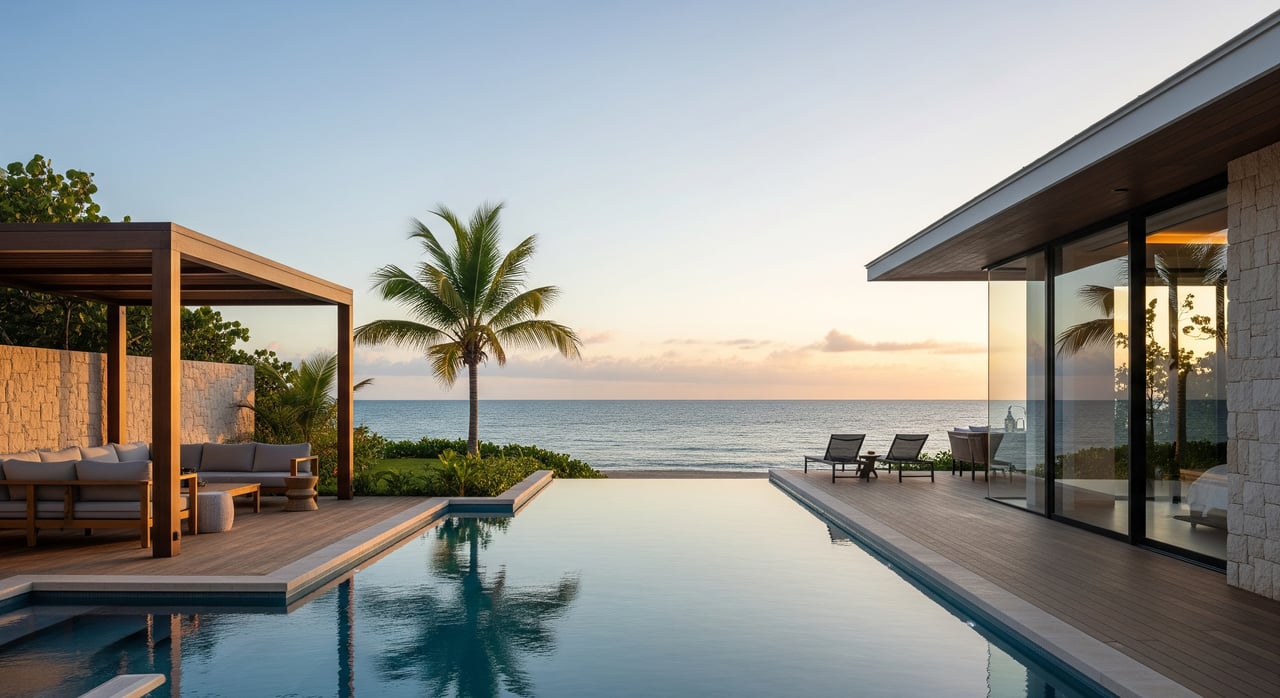
Thinking about a second home in Dorado but unsure how to finance it? You’re not alone. The mix of luxury condos, resort-style amenities, and coastal risk in Puerto Rico adds a few extra steps to the mortgage process. In this guide, you’ll learn which loan types work for second homes, how condo approvals impact your options, what timelines to expect, and how to prepare before a scouting trip. Let’s dive in.
Your main financing paths in Dorado
Conventional conforming loans
Conventional mortgages backed by Fannie Mae or Freddie Mac are a common choice when your purchase price fits within conforming loan limits. You can choose fixed or adjustable rates. If your down payment is under 20 percent, expect private mortgage insurance. Second homes usually require stronger reserves than primary residences.
Jumbo loans for luxury properties
If you’re targeting a high-end Dorado Beach–area home above conforming limits, a jumbo loan is typical. Jumbo lenders often ask for 20 to 30 percent down, strong credit, and more months of cash reserves. Pricing and documentation vary by lender, so compare options early.
Portfolio and bank-statement loans
If you are self-employed or have complex income, some lenders offer portfolio or bank-statement loans. These can be useful when standard underwriting does not reflect your financial picture, though rates and costs may be higher. Availability varies, especially for island markets.
FHA and VA programs
FHA and VA programs are designed for primary residences. They are generally not appropriate for a true second-home purchase. If you intend to occupy the home as your primary residence, speak with a lender about eligibility and program rules.
Cash and bridge strategies
Many Dorado buyers use cash to avoid financing contingencies and condo-eligibility hurdles. Some use short-term bridge financing, then refinance into a longer-term mortgage later. This can help you move fast in competitive situations.
Choosing a lender who knows Puerto Rico
Local Puerto Rico banks
Local banks offer valuable knowledge of Dorado’s market and Puerto Rico’s closing process. They are familiar with island insurance requirements and can often coordinate more smoothly with local notaries, attorneys, and condo associations. Product menus for jumbo or specialty loans may be narrower.
Mainland and national lenders
National lenders often bring broader loan products, competitive jumbo pricing, and streamlined digital pre-approvals. Some, however, are less experienced with Puerto Rico’s title, insurance, or condo documentation, which can slow a deal. Ask about their track record closing loans on the island.
Best strategy for affluent buyers
Consider getting pre-approvals from both a local bank and a qualified national lender. Compare price, speed, condo-experience, and closing support. Choose the lender that best balances rate, reliability, and island expertise.
Down payments, credit, and reserves
- Second homes with conventional loans often require 10 to 20 percent down. Many buyers put 20 percent or more down to avoid PMI.
- Jumbo loans typically require 20 to 30 percent down, sometimes higher depending on credit and the specific lender.
- Strong credit is favored, with mid-700s often preferred for best pricing. Debt-to-income limits vary by program, and jumbo underwriting can be stricter.
- Lenders usually require cash reserves for second homes, often 3 to 12 months of total mortgage payments. Requirements can increase if you own multiple properties.
- PMI applies when your loan-to-value is above 80 percent on conventional loans. Terms and cancellation follow program rules and any lender overlays.
Condo financing in Dorado: approval matters
Many lenders require that your condo project be eligible under Fannie Mae or Freddie Mac rules. Projects with heavy short-term rental activity, condo-hotel features, limited reserves, incomplete construction, or pending litigation often face extra scrutiny. If your building is not already on an approved list, your lender may pursue a project review or a spot approval.
Approval can add time. Plan for an extra 2 to 6 weeks for full project review if the building is not pre-approved. Limited or spot reviews may be faster but often require additional fees and full cooperation from the condo association or developer.
Appraisals, insurance, and coastal risk
Luxury and coastal properties in Dorado require careful appraisal. Appraisers consider hurricane resiliency, elevation, flood exposure, and building condition. For condos, project-level health and amenities can also affect valuation.
Lenders require hazard and wind coverage, and flood insurance where applicable. Premiums can be higher for coastal locations, which impacts your monthly budget and can influence reserve requirements. Start insurance quotes early so there are no last-minute surprises.
Timelines: from pre-approval to closing
Pre-approval
A solid pre-approval can take a few hours to a week once your documents are ready. Make sure your letter states “second home” and, when possible, references the property type, such as condo or single-family.
Underwriting and appraisal
From contract acceptance, conventional loans often close in 21 to 45 days. Jumbo or portfolio loans can be shorter or longer depending on the lender and your documentation. Appraisal scheduling in Puerto Rico can add 7 to 14 business days, sometimes more during busy periods.
Condo project approval
If the project is already approved, you may avoid extra steps. If not, allow 2 to 6 weeks for project documentation and review, and plan conservatively for 4 to 8 weeks when approvals are uncertain or sponsor cooperation is slow.
Title, insurance, and closing
Puerto Rico closings involve local notaries, title recording in the Registro de la Propiedad, and island-specific insurance requirements. Once underwriting conditions, appraisal, title work, and insurance binders are complete, a 30 to 60 day closing window is common. Condo approval timing is the biggest swing factor.
Practical checklist before your Dorado trip
- Assemble documents: two years of tax returns, recent pay stubs or profit and loss statements, two months of bank statements, ID, and a list of liquid reserves and other real estate holdings.
- Get at least one pre-approval from a lender experienced in Puerto Rico closings. If you are shopping luxury price points, secure a jumbo pre-approval too.
- Share condo project names with your lender in advance so they can screen for eligibility issues and flag timeline risks.
- Clarify loan contingency timing in your offer, including how many days you need for appraisal and condo project approval.
- Begin insurance discussions early for hazard, wind, and flood coverage.
Budgeting the true monthly cost
- Principal and interest based on your rate and loan size.
- Property taxes and any local assessments as required by local authorities.
- Hazard and wind insurance, plus flood insurance if applicable.
- HOA dues and any special assessments for condo projects.
- PMI if your down payment is under 20 percent on a conventional loan.
- Cash reserves your lender may require for a second home.
How Vin Forbes supports your financing plan
Buying a second home in Dorado should feel exciting and organized. With boutique, relationship-focused service and deep Puerto Rico market knowledge, you get clear guidance on timing, condo project documentation, and offer strategy. You also benefit from coordinated communication with your chosen lender, title team, and insurance providers, so your financing aligns with your property goals and your travel schedule.
If you are starting to explore Dorado condos or single-family homes, let’s set up a plan that fits your timeline and comfort level. Reach out to Vin Forbes to talk through your goals and next steps.
FAQs
What loans are available for a Dorado second home?
- Conventional conforming loans and jumbo loans are the primary paths, with portfolio options available for complex income; FHA and VA are generally for primary residences, not second homes.
How much down payment do I need for a Dorado second home?
- Many lenders expect 10 to 20 percent down for conventional second homes and 20 to 30 percent down for jumbos, with exact amounts depending on credit and lender.
Why do condo approvals matter for Dorado financing?
- Many lenders require the condo project to meet Fannie Mae or Freddie Mac eligibility; projects with heavy short-term rentals or weak HOA finances can delay or limit financing.
How long does a Dorado second-home purchase take to close?
- Plan for 30 to 60 days from contract for conventional loans, allowing extra time if a condo project review is needed and for appraisal scheduling on the island.
Do I need flood insurance for a Dorado property?
- If the home is in a flood zone, lenders require flood insurance, and coastal locations can see higher premiums that affect your overall monthly budget.
Should I use a local or national lender in Puerto Rico?
- Consider both; local banks often streamline island-specific steps, while national lenders may offer broader products and pricing, so compare pre-approvals and experience closing in Puerto Rico.